
One for Dinner
A blueprint for actually loving yourself

A note before you read
If you’re new here, welcome. There are hundreds of new SUBSTANTIAL subscribers here recently and I am ecstatic that our community is growing. Many of you found your way here through a piece I wrote about my facelift — the real story, the one I hadn’t told anywhere else. I’m so glad it reached you. I’m especially glad you stayed.
But here’s the thing. That story in many ways was never about my face.
SUBSTANTIAL is about becoming. Not becoming something you aren’t, and not discarding the parts of you that survived the hard years and carried you to this exact moment. But becoming the person you aspire to enjoy living inside of.
These offerings are simply an invitation. An open door. I want you to know that real metamorphosis is available to you and I am a living, breathing example of that. I’ll spend the rest of this essay proving it.
One for dinner
It was a Tuesday in August about five years ago. Golden hour, the kind that only exists in late California summer when the sun takes its time going down, like it knows something you don’t.
I was sitting on the patio at Angelini Osteria. White silky blouse, vintage Levi’s, and a low heel that’s just high enough to invoke an added layer of confidence. There was a smile on my face that I hadn’t put there deliberately. It had just arrived.
When I walked up to the host stand that night I said something I had been rehearsing, without knowing it, for thirty years.
One for dinner, please.
Not just one. One.
I know the difference. I learned it at twenty years old, working the host stand at a restaurant in Bloomington, Indiana, during college. My manager pulled me aside early: never say just one to a solo diner. That word does something to a person. It confirms what they feared when they walked in alone. That they are less than. That one is not enough.
I never forgot it. And on that summer night, three decades later, I walked up to that host stand knowing in my body what I hadn’t been able to hold in my mind for most of my adult life.
One is exactly enough. One is, in fact, the whole point.
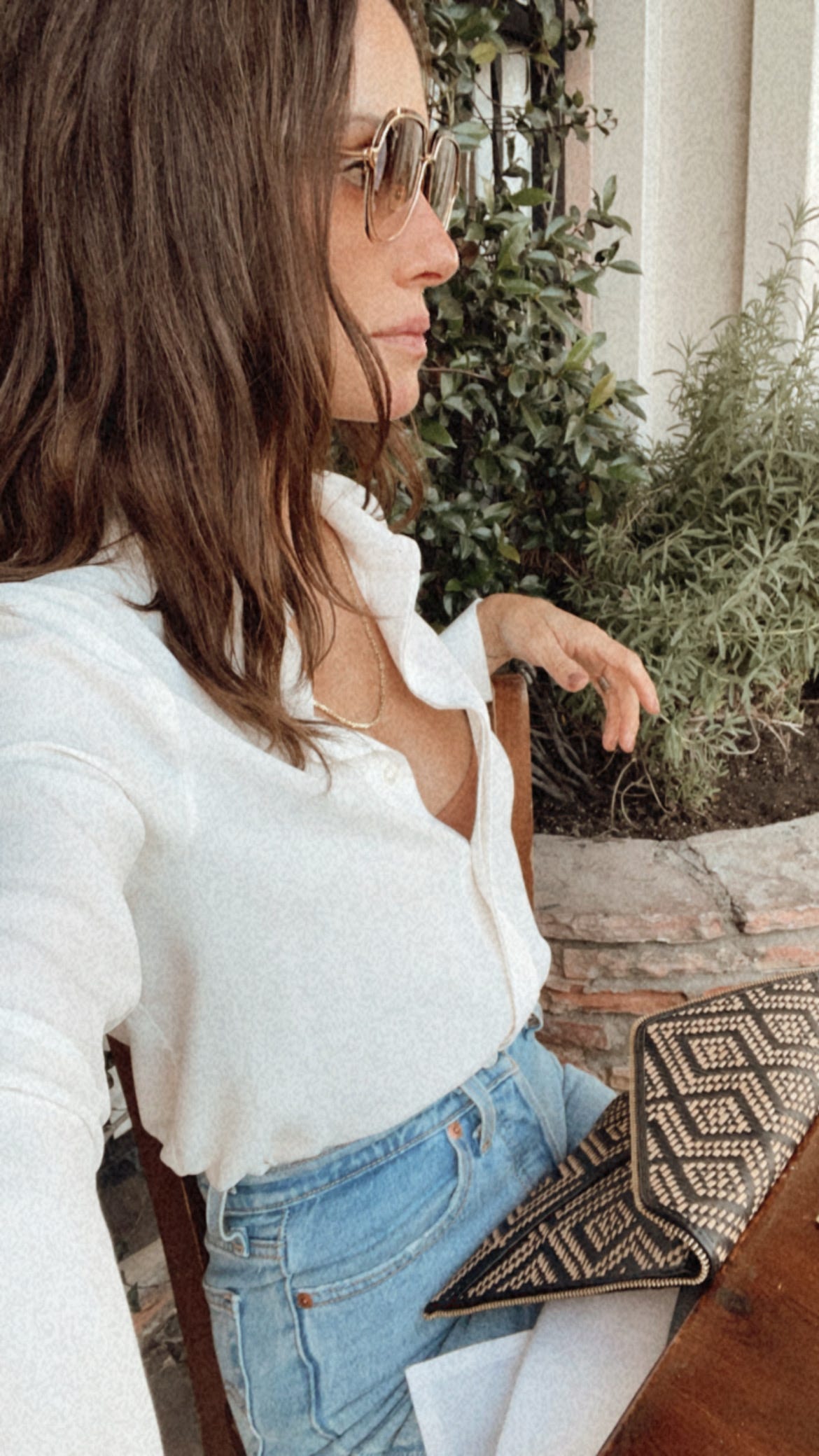
But let me back up. Because the patio at Angelini’s is not where this story begins.
It begins at fourteen.
I was in love with the varsity football star. The way you can only be in love at fourteen — completely, recklessly, with no self-preservation instinct whatsoever. He cheated on me. He grabbed my arm too hard, knocked the wind out of me once. We pushed and shoved each other in his bedroom while the adults had no idea.
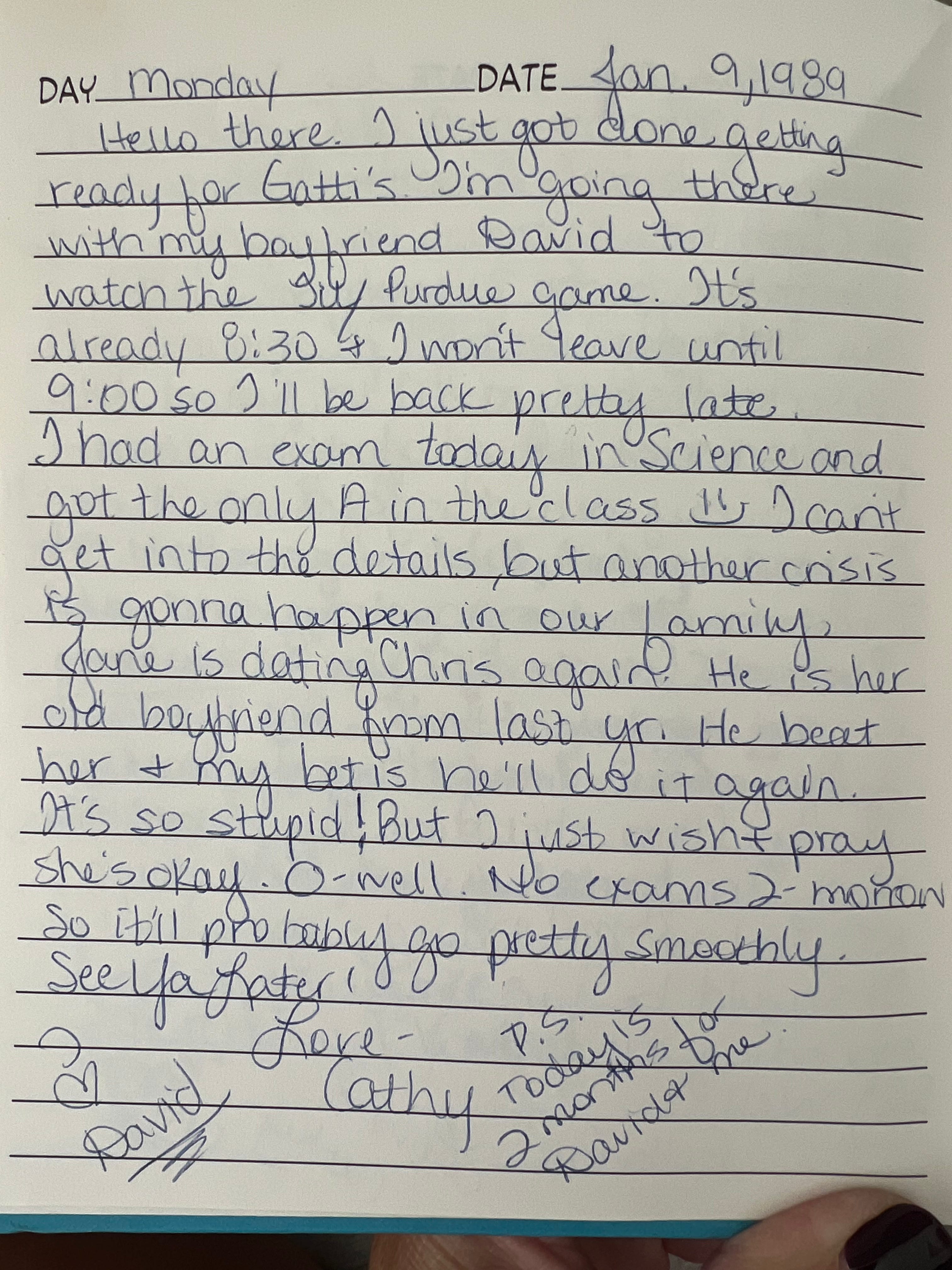
I didn’t know then that I was establishing a pattern. What felt like love and intensity was actually the first groove being carved into a record that would play on repeat for decades. There was a storm happening in my own family at the time — one I won’t get into today — and I escaped into that relationship the way you escape into anything when you’re drowning. Completely. Without looking back.
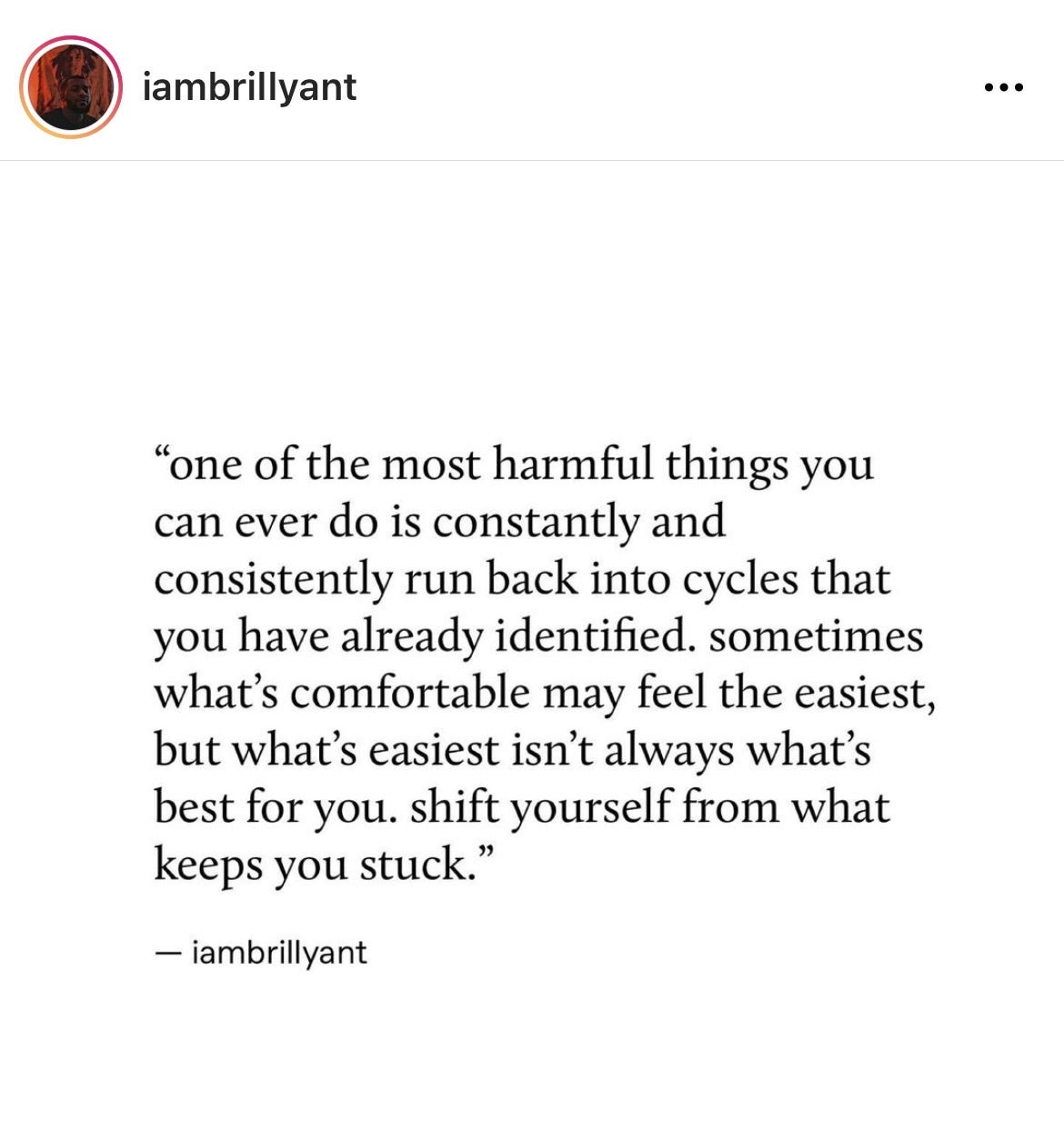
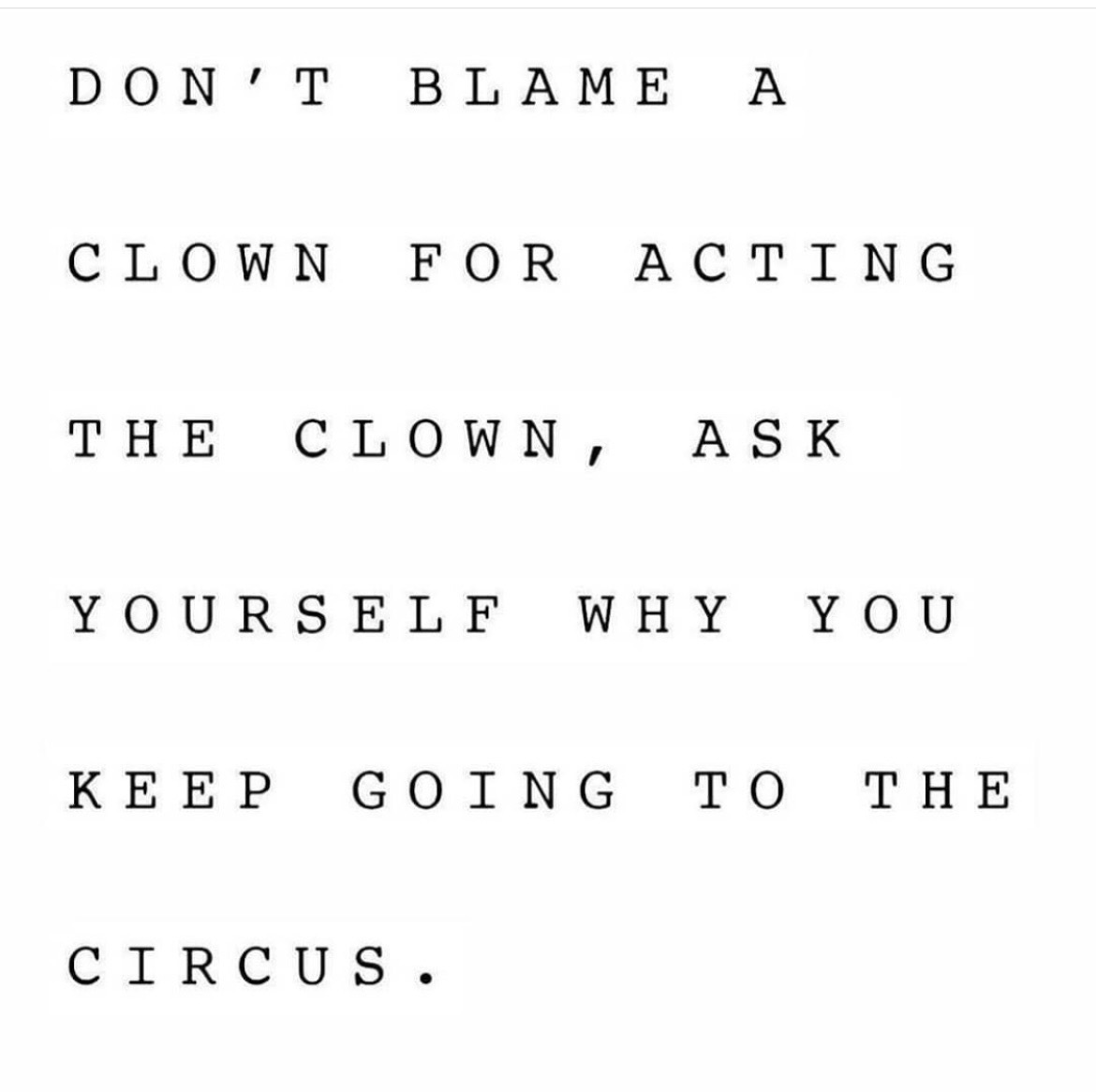
I would spend most of my adult life running toward red flags. Not away from them. Toward them. Chemistry that felt like danger. Intensity that felt like love. I mistook chaos for passion so many times I stopped being able to tell the difference.
In my last serious relationship before the one I’m in now, I was crippled. That’s the only word for it. I drove by his house in the dark. I checked his phone. I begged to be chosen. I accepted non-truths because the alternative — being alone, being abandoned, disrupting my boys’ lives again — felt unsurvivable. On the outside I was presenting as a champion for women. Strength. Ambition. Confidence. The Instagram highlight reel, fully celebrated.
Underneath? I was disgusted with myself.
I was drinking regularly, often to escape the feeling of existing inside a life that looked right from the outside and felt like slow suffocation from within. Nobody would have guessed. I barely let myself know.
Then I hit the floor.
Not dramatically. Not all at once. More like the way something deflates — slowly, and then suddenly you’re flat on the ground and there’s nowhere left to go but up.
I found Dr. Rick. We met twice a week for a year. I did the hot yoga. I read the books. I went deep into trauma bonds and codependency and the neuroscience of attachment and started to understand, for the first time, my why. Why I allowed it. Why I chased it. Why I kept returning to the burning building and calling it home.
I stopped lying to myself.
That part sounds simple. It was the hardest thing I have ever done.
Because the lies weren’t dramatic. They were quiet. He didn’t mean it. This is just how love feels. I can fix this. I’m fine. I’m fine. I’m fine.
Stopping the lies meant sitting with what was actually true. And what was actually true was that I had been abandoning myself, consistently and thoroughly, since I was fourteen years old.

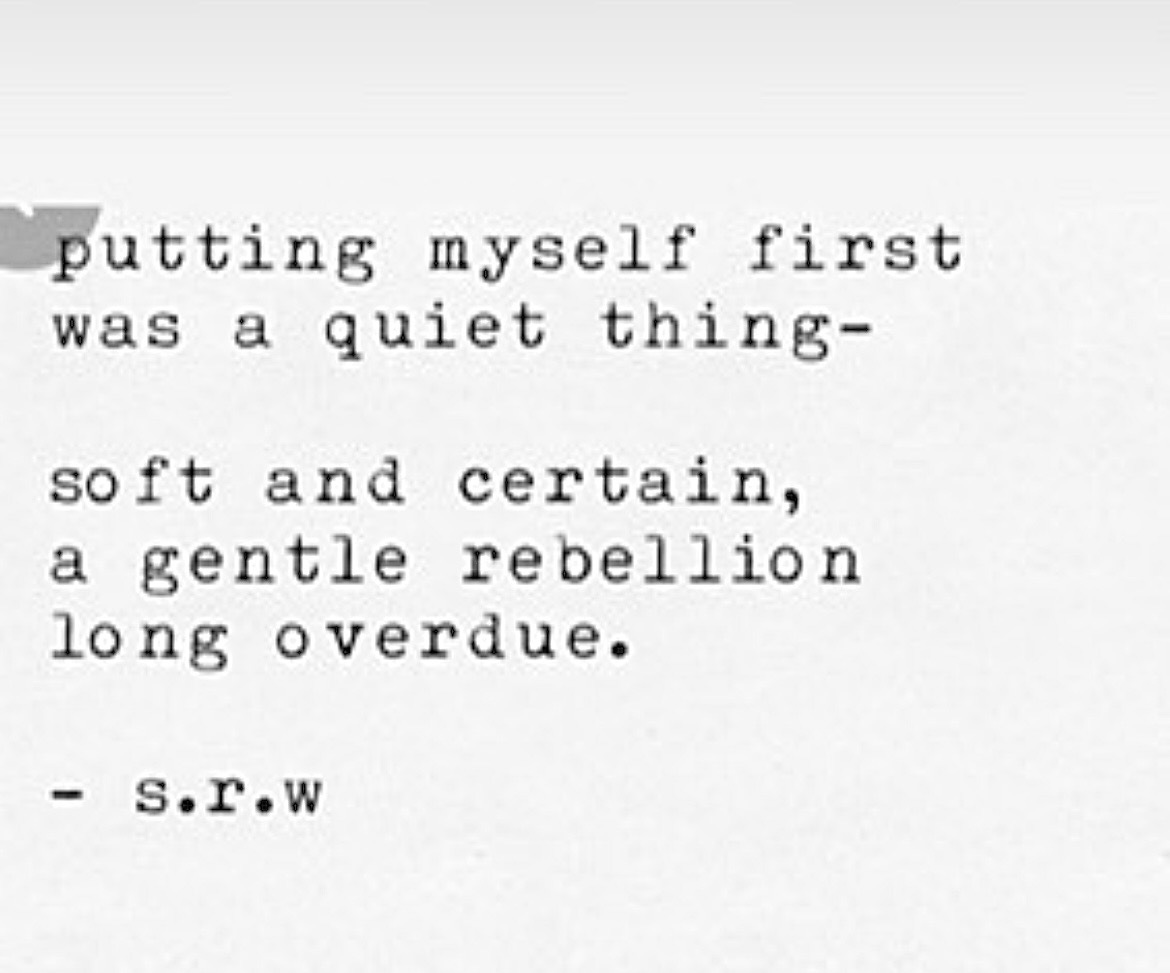
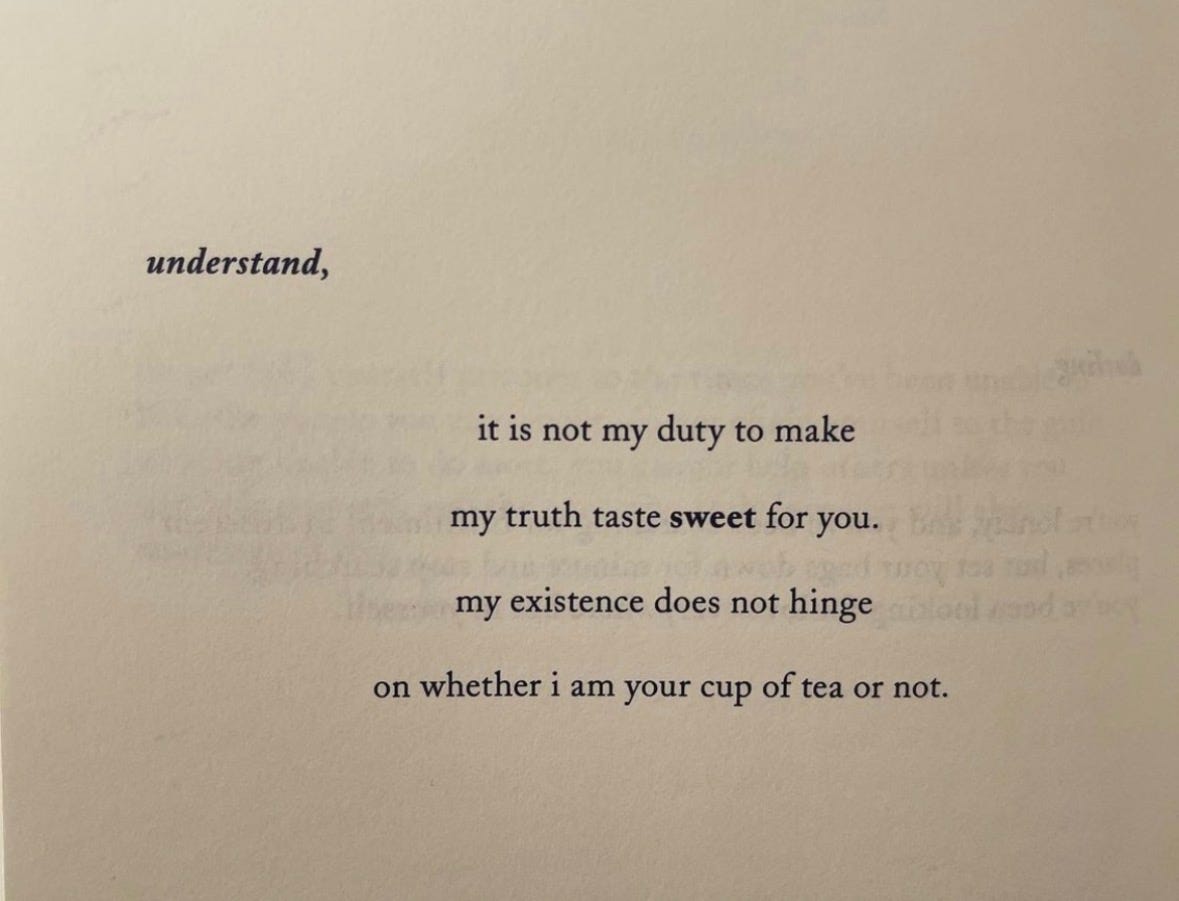
Dr. Rick suggested one day that I take myself on a date. Get dressed up. Go somewhere nice. Sit down. Order something good. Party of one.
So I did.
And here is the thing I want you to understand about that night, because it matters more than the restaurant or the robust glass of wine or the twilight, as beautiful as all of it was.
I created it.
Not accidentally. Not by luck. I had spent months rebuilding the interior — the thoughts, the beliefs, the story I was telling myself about who I was and what I deserved. I had been choosing differently, quietly and imperfectly, day after day. And by the time I sat down at that table, I had built a frequency. A real one. The love I had been cultivating inward was now radiating outward, and the world was simply reflecting it back.
The waiters smiled. Strangers made easy eye contact. The evening felt almost spiritual.
That’s not magic. That’s quantum mechanics. That’s the absolute truth of how this works: the reality we experience is not an accident. It is what we have created through our thoughts, our emotions, our choices, our actions, our energy. I had manufactured that beautiful night long before I arrived. The restaurant was just where I finally got to feel the proof.
I sat there with a calm that belonged entirely to me and I thought: I am different now. I made it through.
Not healed. Not finished. Different.
Here is what I know now that I wish someone had told me earlier. I’m sharing it not as inspiration but as instruction, because there’s a difference.
You do not have to love yourself first and then build the life. You act your way into the love. You build toward it. It arrives as a byproduct, not a prerequisite.
And this is what that actually looked like for me, concretely, on the ground:
I got intimate with my gut and stopped betraying her. When something felt wrong I stopped explaining it away. When a red flag appeared I stopped running toward it. The first few times this felt like deprivation. Eventually it started to feel like self-respect. Eventually it started to feel like sovereignty. Your body doesn’t lie. Listen to her.
I meditated. Most days for five years. Not perfectly. Not always meaningfully. But consistently enough that my nervous system began to regulate in ways I didn’t know were possible. Additional breathwork helped. The result? The reactivity softened. The spiral thinking slowed. I became someone I could actually live inside. I liked her company.
I built a blueprint. Not a vision board. A real one. What did I deserve? What did I actually want my life to look like? What was I willing to stop tolerating? I wrote it down. I came back to it. I let it evolve as I evolved. Matt Cooke’s Evolve Manifestation Course gave me the map for staying consistently in love with myself — choosing your reality, believing what you desire, building the habits that make you someone you recognize, admire, and respect.
And I stopped drinking. Today marks 298 days alcohol free. It was the final lie I stopped telling myself. The one I had negotiated around the longest. The one that, once I put it down, changed everything downstream. (I wrote The How - A Guide to Letting Go and Coming Home to Yourself if this speaks to you.)
When you do this work long enough the baby steps accumulate into something you can stand on. You become less reactive. More love-centered. Less susceptible to bad weather and shiny distractions and the temptations that used to undo you. The ripple effect? You become better at every single thing.
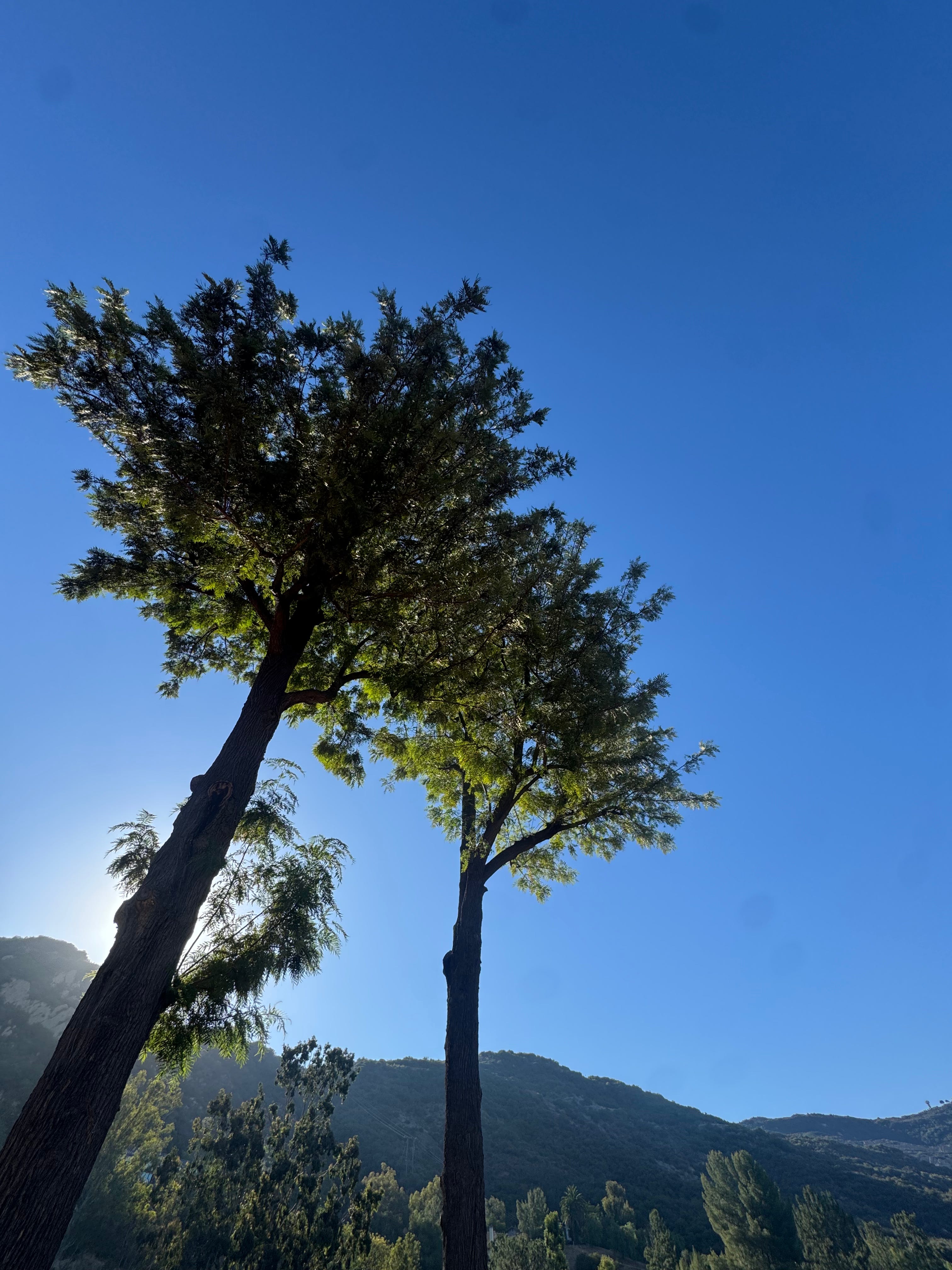
I’m sitting here this morning with my coffee, Greg and the kids still sleeping, the ranch quiet in that particular way it gets just before the day starts.
I think about the woman who drove by my ex’s house in the dark. I think about her with so much tenderness now. She was doing the only thing she knew how to do. She was trying to survive.
And I think about the woman on the patio at Angelini’s, surrounded by the mystic light and that easy, peaceful feeling consuming her. We made up, she and I.
That’s what self-love actually is, I think. Not bubble baths and affirmations. Not the highlight reel finally matching the interior. It’s the moment you stop being at war with yourself. The repair. The reconciliation. Looking at the woman who made all the choices you’re not proud of and deciding, firmly and without performance, that she is still worth choosing.
You don’t have to have it all together to begin.
You just have to begin.
And then one day you’ll walk up to a host stand, alone, in your best vintage denim, and say the words like you mean them.
One for dinner.
Not just one.
One.
With love from the ranch,
Catt